

Why Football’s Real History Still Matters Today?
Football’s history is often told like folklore. A glorious tale full of dramatic turns and colourful visuals. Tough 90% of the time, it misses out on significant details.
Yes! Believe it or not, behind all the exaggerated celebrations, victories, and iconic moments, there are layers of football history that only a few people know about. This blog is dedicated to exploring all those parts of the beautiful game. However, stay cautious as the hidden realities are often clouded by bias, if not blurry. Yet each one of them matters.
Authentic ‘REALITY’ Behind Football & Why It Matters
Most football fans know the big moments. Such as the one where Pelé won three World Cups (1958, 1962, 1970) to become a global legend, or when Zinedine Zidane, in the World Cup final against Italy, was sent off for head-butting Marco.

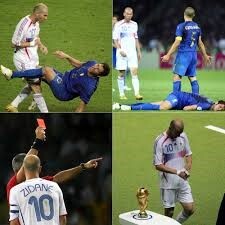
It was one of the most shocking exists in the history of football. Moments like these are usually etched in the minds of fans. But they tend to overlook the crucial historical events that are slowly changing the game. All the decisions and the politics that have shaped the modern football that we witness in 2025 are backed by:
- Decades of hidden negotiations
- Power struggles
- Financial interests
Yet they rarely make the headlines. So, when you consider these forces, you start to realise how much of the game’s true story has been left out of what fans were told for years. Also, when you know the full story, the sport starts to make a lot more sense.
Football History is Essential for Three Groups
- Group 1: The Fans
Fans need football history because it helps them see more than just the matches happening right now. When they know how the game started, how the rules changed, and how big clubs gained power, all the dots started to connect in their head.
It also becomes effortless to understand why certain decisions feel unfair or confusing today. All in all, the history gives fans some context, loads of confidence, and the ability to question things instead of simply accepting whatever they are told.
- Group 2: The Players
For players, the details of the past explain how their rights, careers, and opportunities were shaped. This includes important aspects like transfers, wages, and contracts. Besides this, the movement between clubs was very different in the past. The players should have a clear idea of it too, as it allows them to see how far the sport has come.
It may also give them the idea of things that still need to improve. In addition, the knowledge of real history reminds them that many freedoms they enjoy today came from long fights.
- Group 3: The Industry
For a fact, the football industry depends heavily on history. Even if it is not always talked about, the decisions made decades ago are the foundation of today’s competitions, money systems, and power structures. So, understanding how these systems formed helps clubs and organisations avoid repeating old mistakes. It also shows them where the game began to drift away from its original purpose.
How Past Decisions Have Changed the Game We Watch Today
- When the Premier League Started
A long time ago, in the early 1990s, the biggest English clubs decided to start their own league called the Premier League. They did this mainly to earn more TV money. At that time, it didn’t seem like a huge deal. But that choice slowly changed everything.
For starters, the big clubs started becoming richer. Then the small clubs eventually struggled to keep up, and gradually football turned into a global business. So, the way your favourite game feels today, full of money, superstars, and huge marketing, it all began with that one decision.

- The Bosman Change
The second instance of how past decisions have changed the game is when, before 1995, players couldn’t easily leave a club. Even when their contract ended. Imagine finishing a job but still not being allowed to work somewhere else.
Then one audacious player, Jean-Marc Bosman, fought this rule and won. Later, because of his case, players finally got the right to choose where they wanted to go after a contract. This simple change made football fairer for players and completely rewrote transfers. The freedom players have today started with just a single heroic move.
Exploring Why Football Books Don’t Tell the Full Story
Indeed, many history books about football don’t tell the full story. However, it is not because the writer doesn’t care about the facts, but because they focus on the bigger events. Also, probably the famous goals and dramatic moments.
Resultantly, there is everything that a reader usually expects, though nothing that he should know. The original story is also compromised due to some books that repeat similar old versions of events without asking deeper questions.
Other manuscripts are found avoiding topics that are complicated or political. This means that 90% of the time, fans get a colourful picture, but not the complete one.
Biggest Benefit of Knowing the Game’s Real Past
The biggest benefit of knowing football’s real past is that it changes how you see the game. You no longer just watch matches. Instead, you understand the reasons behind things. You start to notice patterns. You spot familiar problems and even question decisions, unlike before when you took all the information at face value.
Furthermore, it becomes much easier to see when something doesn’t feel right or when the sport is drifting away from its roots. In short, the real history of your favourite sport can help you appreciate the game more and think a little deeper about it. This is what a true, dedicated fan of football would do, serving justice to the game they love!
FAQs
- Why is the World Cup’s history important?
It is crucial because it transformed the game into a global stage. It also united the nations through competition and culture. In a nutshell, the legacy of football explains why the tournament is also about pride and shared human stories.
- Why is women’s football history relevant now?
It has become relevant because it highlights a decade of struggle for recognition and equality. So, when the fans try to understand the journey, they will see how the team has the potential to challenge stereotypes in the future.
- How did football survive wars and global crises?
The game kept adapting, pausing, and returning as a symbol of resilience. It has tolerated a lot, and perhaps this is why the game is full of community spirit.
- How does football’s past connect to social change?
The game is a clear demonstration of the societal division. This means that its history reflects both politics and culture, showing the world how social transformations occur across generations.
Lessons Learnt From the Discussion
The best thing to learn from this discussion is that the next time you come across a book that claims to tell you the history of Football, you will know how to question the gaps. You will also know how to challenge the biases and look beyond the glorified moments of football.
Remember that the real history of your favourite game is not just about the goals or trophies, it is about the various aspects of it. Such as what are the reshaping forces? What decisions made all the difference? And what struggles are worth telling your kids? All this awareness makes you a sharper, more informed fan of the game.